

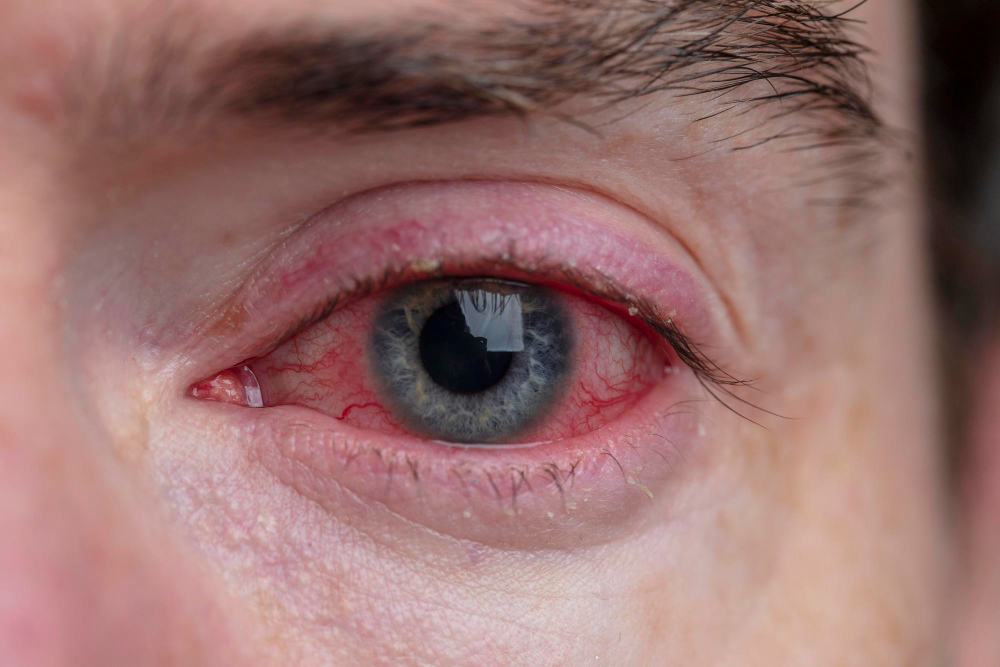
What Is a Subconjunctival Haemorrhage?
A subconjunctival haemorrhage is a common eye condition. It happens when a tiny blood vessel breaks just under the clear surface of your eye. This surface is called the conjunctiva. As a result, you may notice a bright red spot in your eye. Although it can look scary, it is usually harmless. Most people do not feel pain or notice any change in vision. Still, it is important to know what causes this and when to seek help. Many people search for answers about an “eye blood vessel burst” or “eye bleeding.” Understanding this condition can help you stay calm and make the right choices for your eye health.
Common Causes of Subconjunctival Haemorrhage
There are many reasons why a blood vessel in your eye might burst. Often, the cause is minor and not linked to a serious health problem. However, knowing the common causes can help you prevent future episodes. For example, some daily actions can increase your risk.
In rare cases, a subconjunctival haemorrhage may be linked to other health issues. Therefore, it is wise to watch for other symptoms and talk to your doctor if you are unsure.
Recognizing the Symptoms
Usually, a subconjunctival haemorrhage is easy to spot. You may see a bright red or dark patch on the white part of your eye. This red spot in the eye often appears suddenly. However, most people do not feel any pain or discomfort. Vision usually stays normal. Still, you might notice a mild scratchy feeling in your eye. Here are the main symptoms to look for:
Sometimes, the red spot may spread or change color as it heals. Even though it looks alarming, it usually clears up on its own within two weeks.
When to Seek Medical Care
Most cases of subconjunctival haemorrhage do not need treatment. However, there are times when you should see a doctor. For instance, if you have other symptoms, it could signal a more serious problem. It is important to know “when to see a doctor for eye bleeding.” Seek medical care if you notice:
Additionally, if you are unsure or worried, it is always best to get checked. Many eye care clinics, including those offering eye care in your city or region, can help you find answers quickly.
Diagnosis and What to Expect
When you visit a doctor, they will examine your eye closely. Usually, the doctor can diagnose a subconjunctival haemorrhage just by looking at your eye. Sometimes, they may ask about your health history or recent activities. For example, they may ask if you have coughed hard, lifted heavy items, or taken blood-thinning medicine. In rare cases, your doctor may order blood tests or check your blood pressure. This helps rule out other causes, especially if you have frequent episodes.
Treatment Options
Most subconjunctival haemorrhages heal on their own without treatment. The red spot in your eye will fade over one to two weeks. However, there are steps you can take to feel more comfortable. For example, you can use artificial tears or eye drops to ease any mild irritation. Avoid rubbing your eyes, as this can make things worse. Doctors usually do not prescribe medicine for this condition. If you take blood thinners or have other health issues, your doctor may review your medicines. Rarely, if another problem is found, you may need further treatment.
Tips for Prevention and Eye Health
While you cannot always prevent a subconjunctival haemorrhage, you can take steps to protect your eyes. Good eye health habits can lower your risk and keep your eyes feeling their best. Here are some helpful eye health tips:
By following these tips, you can help keep your eyes healthy and reduce the chance of an “eye blood vessel burst.” For more advice, local eye care providers in your area can offer guidance tailored to your needs.
Conclusion
If you notice changes in your eye or feel unsure, Nirwana Netralaya is here to help. Book a consultation today for expert advice and peace of mind about your eye health.