

What Is a Corneal Ulcer?
A corneal ulcer is an open sore on the cornea, which is the clear front part of your eye. This condition can cause pain, redness, and vision problems. Because the cornea helps focus light, any damage can affect how well you see. Early care for a corneal ulcer is very important. Without quick treatment, you could lose vision or even the eye itself. According to the World Health Organization, corneal ulcers are a leading cause of vision loss worldwide.
Common Symptoms of Corneal Ulcers
Often, the first signs of a corneal ulcer are easy to notice. However, some people may not realize how serious these symptoms can be. Watch for these early signs of corneal ulcer:
If you notice any of these corneal ulcer symptoms, seek medical help right away. Quick action can help protect your sight.
Main Causes and Risk Factors
Corneal ulcers often start with an eye injury or infection. For example, a scratch from a contact lens or a piece of dirt can let germs enter the cornea. Bacteria, viruses, fungi, or parasites can then cause an infection. In addition, some people have a higher risk of getting a corneal ulcer. These risk factors include:
Because these factors can increase your risk, it is important to take extra care if any apply to you.
How Corneal Ulcers Are Diagnosed
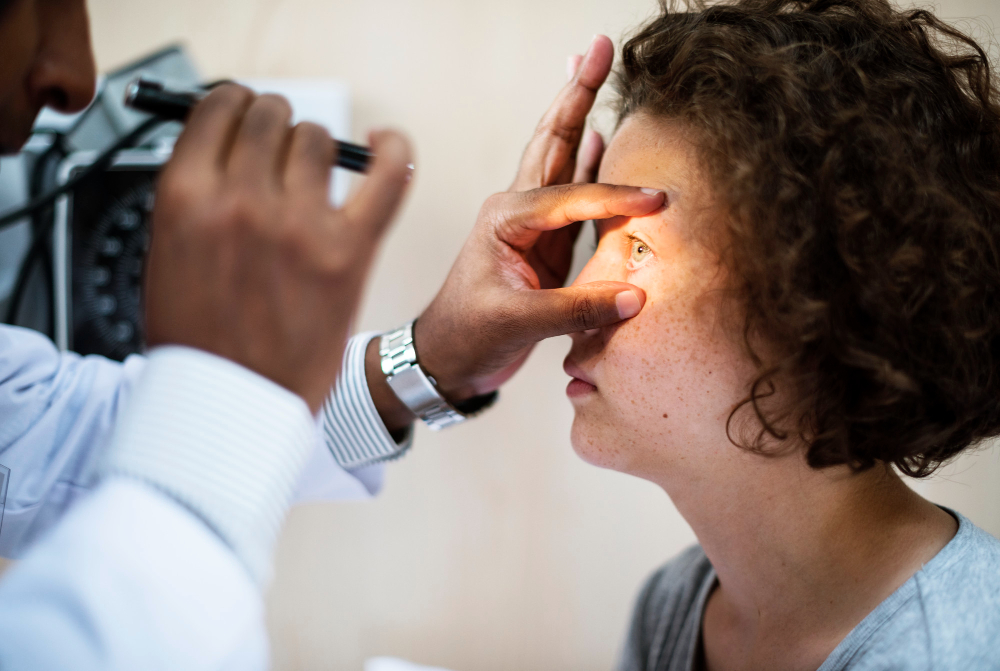
When you visit an eye doctor, they will first ask about your symptoms and medical history. Next, the doctor will examine your eye using a special microscope called a slit lamp. This tool helps them see the cornea in detail. Sometimes, they may use a dye called fluorescein to highlight the ulcer. In some cases, the doctor will take a small sample from the ulcer. This helps find out what type of germ is causing the problem. Early diagnosis is key for the best corneal ulcer treatment.
Treatment Options for Corneal Ulcers
Treatment for a corneal ulcer depends on the cause. However, most cases need quick medical care. Common corneal ulcer treatments include:
Because untreated ulcers can lead to blindness, always follow your doctor’s advice. Never try to treat a corneal ulcer at home.
Prevention Tips and Lifestyle Guidance
Fortunately, you can lower your risk of corneal ulcers with good habits. For example, always wash your hands before touching your eyes or contact lenses. Here are more tips on how to prevent corneal ulcers:
Because early care is so important, do not ignore any changes in your vision. Regular eye check-ups can also help catch problems before they become serious.
Conclusion:
A corneal ulcer is a serious eye condition that can affect vision if not treated promptly. Recognising symptoms like eye pain, redness, blurred vision, or sensitivity to light and seeking timely evaluation can help prevent complications and support better eye health.
Experiencing eye pain, redness, or vision changes?
Consult Nirwana Netralaya for expert eye evaluation and personalised corneal care.