

What Is Double Vision?
Double vision, also called diplopia, happens when you see two images of one object. Sometimes, these images appear side by side. Other times, they may be one above the other. For many people, double vision can be sudden and worrying. However, it is important to know that not all cases are serious. Still, you should always see an eye doctor if you notice this problem. Double vision can affect one eye or both eyes. When it affects both eyes, it is often linked to how your eyes work together. If only one eye is affected, the cause is usually in that eye itself. Understanding double vision helps you know when to seek help.
Common Causes of Double Vision
There are many causes of double vision. Some are minor, while others need quick medical care. For example, eye muscle problems are a frequent cause. When the muscles do not work together, your eyes may not line up. This can make you see double. Nerve issues can also lead to double vision. If the nerves that control your eye muscles are damaged, your eyes may not move as they should. In addition, some medical conditions can cause double vision. These include:
Sometimes, double vision is temporary and linked to tiredness or dry eyes. But if it lasts, you should get it checked.
How Double Vision Is Diagnosed
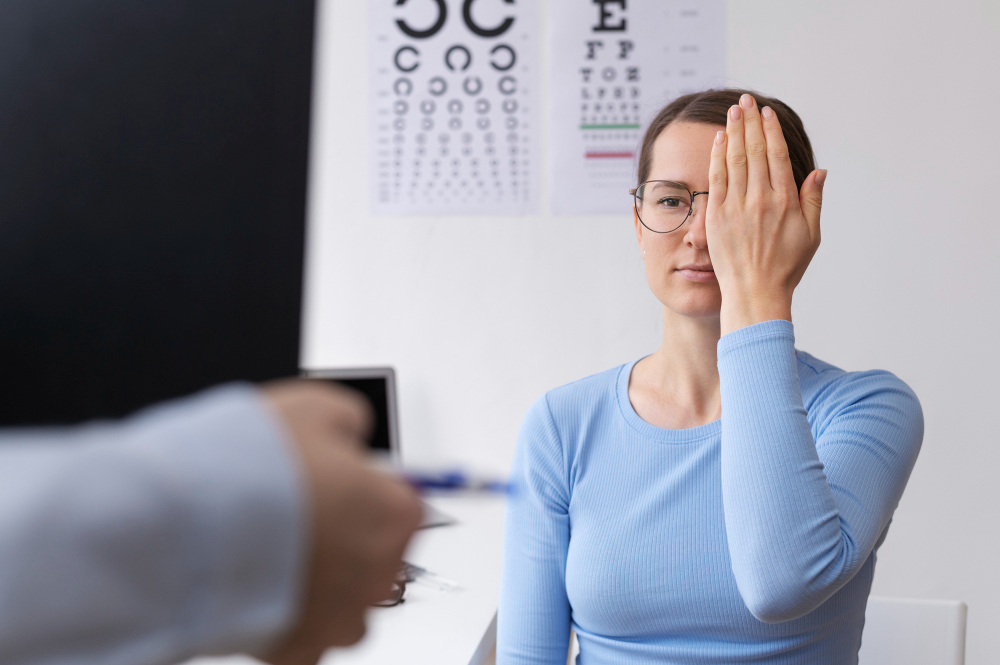
Doctors use several steps to diagnose double vision. First, they ask about your symptoms and medical history. Next, a full eye exam is done. During this exam, you may be asked to cover one eye at a time. This helps find out if the problem is in one eye or both. Sometimes, special tests are needed. For example, your doctor may use imaging tests like MRI or CT scans. These help check for nerve or brain issues. In some cases, blood tests are done to look for medical conditions. If needed, your doctor may refer you to a specialist. Early diagnosis is key to finding the right treatment for double vision.
Treatment Options for Double Vision
Treatment for double vision depends on the cause. For some people, simple solutions like glasses or eye patches can help. Glasses with special lenses may correct the problem. Sometimes, eye exercises or vision therapy are used. If an underlying medical condition is found, treating that condition can improve double vision. For example, managing diabetes or thyroid disease may help. In certain cases, medication is needed to reduce swelling or treat infections. Surgery may be an option if other treatments do not work. Your doctor will discuss the best treatment for your needs. With the right care, many people see improvement.
Lifestyle Tips and Prevention
There are steps you can take to lower your risk of double vision. First, regular eye exams help catch problems early. If you have diabetes or thyroid disease, managing these conditions is important. Wearing protective eyewear can prevent injuries that might cause double vision. In addition, taking breaks from screens can reduce eye strain. If you notice changes in your vision, seek help right away. Healthy habits, such as eating a balanced diet and staying active, also support good eye health. By following these tips, you can help protect your vision and reduce the risk of double vision.
Conclusion
If you are experiencing double vision or changes in your eyesight, do not wait. Book a consultation at Nirwana Netralaya today to get expert care and answers for your eye health.